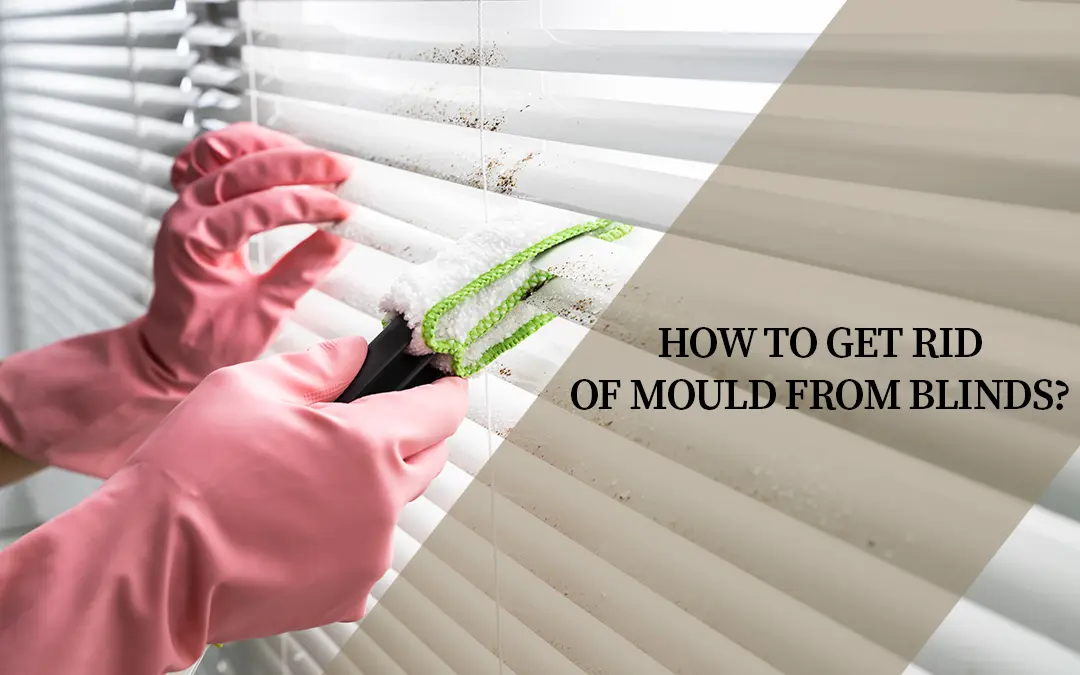
Mould can be formed in blinds even in usual conditions in houses. It is mostly formed in humid areas or with limited airflow; it is even formed with little moisture from windows during rainy seasons.
The growth of these moulds in your blinds can affect their appearance. Also creates poor indoor air quality and adds potential health concerns for the people living there. You should treat the mould immediately after detecting it and use the right cleaning methods to maintain hygiene and the longevity of the blinds.
Why does mould develops on Blinds?
Moulds in blinds are created when moisture is trapped in and is combined with dust and organic particles of the house. Most blinds that are installed near lawn windows, bathrooms, or kitchens are likely to grow mould due to condensation and humidity. Mould in your house or blinds can be formed with even a small amount of moisture trapped in the blinds, and it creates a perfect environment for growth.
Effective Steps to Remove Mould from Blinds
Below are some of the home remedies with steps that homeowners can follow to remove mould and stains from their blinds.
1. Remove Loose Dust and mould Particles
Dust out the blinds with a vacuum, brush or a soft dry cloth before applying any kind of cleaning agent. Dusting out the mould spores prevents the mould from spreading during cleaning.
2. Apply a Suitable Cleaning Solution
You should use a mild and safe cleaning solution on your blinds, such as:
- Use a mixture of white vinegar and water
- Mix mild detergent with warm water
- A diluted solution of lemon and water
White vinegar is very practical and effective due to its natural antibacterial and antifungal properties, making it a reliable choice for mould removal.
3. Clean the Affected Areas Gently
Use a soft cloth or sponge to wipe the blinds carefully. Avoid soaking the material, especially for fabric or wooden blinds, as excessive moisture can cause damage or encourage further mould growth.
4. Allow the Solution to Work
Let the cleaning solution sit for a few minutes to break the mould. For more stubborn areas, a second application may be required. Gentle, repeated cleaning is more effective than aggressive scrubbing.
5. Ensure Proper Drying
Drying is a critical step. Allow the blinds to air dry completely in a well-ventilated area. Exposure to sunlight, where possible, can further help eliminate residual moisture and inhibit mould growth.
Cleaning Based on Blind Material
Different materials require slightly different care:
- Fabric Blinds: Use minimal moisture and gentle cleaning to avoid damage
- PVC or Vinyl Blinds: More resistant to moisture and easier to clean thoroughly
- Wooden Blinds: Require careful handling with very limited water exposure to prevent warping
Understanding the material ensures effective cleaning without compromising durability.
Preventing mould on Blinds
Preventing mould is more effective than repeated cleaning. Key preventive measures include:
- Maintaining proper ventilation in rooms
- Reducing indoor humidity levels
- Wiping off condensation from windows and blinds
- Regularly dusting and cleaning blinds
- Using dehumidifiers in high-moisture areas
By controlling moisture and maintaining cleanliness, the risk of mould growth can be significantly reduced.
Final Thoughts
The appropriate approach and timely care are necessary to manage mould on blinds. Regular maintenance, appropriate cleaning methods, and attention to indoor conditions can keep your blinds clean, hygienic, and long-lasting.
A well-maintained environment not only ensures the longevity of your blinds but also enhances the comfort and health of your living space. Grab top-quality blinds at Elain Blinds and get tips on caring for the blind’s longevity. We will guide you through every possibility of the blinds during the instalments.